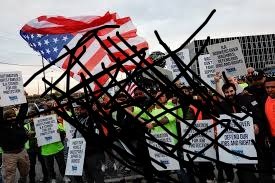
Sending Strain and Triumph Through History.
Scraps of the union were handed down not only in contracts and policy change — but also in family narratives. The children and grandchildren of dockworkers grew up listening to stories about the strikes, the marches, days off without pay and nights filled with meetings in dimly lighted halls. They were not lessons that only involved the past but, above all, they were a compass of right and wrong which imbued with pride and strength. To the younger generations, their elders’ hard work and sacrifices transformed into literal breathing reminders that justice is never a gift — it must be wrung through struggle, proven with courage and fortified in unity.
And Still the Spirit of Activism.
These stories inspired many younger workers to join the docks or to move that kind of union activism into fresh areas. This overlapping of generations strengthened the unity of the union as well as broadening its control beyond the sea vessels. Those values of decency, pride and solidarity were passed on to teaching, the Civil Service and other professions, even by people who had not worked down on the docks. In this way, the impact of the union had extended beyond workplace and structure into a culture in American labor consciousness.
Developing a Culture of Resilience.
That which was so wonderful about the union wasn’t just it’s victorious past, but also its ability to build up some form of immunity when faced with difficulties in the future. The workers of each new generation faced their own obstacles: automation, globalization or rewrites of the economic rules but they had to face them with a belief in the fact that they were together and mattered as a result. This spirit of resistance, bequeathed by the longshoremen of the past, still points out to-day the path which our own workers would do well to pursue: not to think too big in anything done together.
Testimonial of a General Fact.
Strength through Unity – Not the strength of one, but the strength of many.
The history of the American Longshoremen/ Harbor Workers Union’s is perhaps the clearest picture of what unions do, that people cannot accomplish on their own. For all their grit and resolve, the earliest dockworkers had little within their own to battle shipping magnates and entrenched economic networks. The complaint of one man could be sweated down, but the minute hundreds and then thousands raised their voices all at once you could not tune them out. This unity was welded by the union into an integrated movement that demanded fair treatment and justice.
Transforming Brutal Reality into Achievable Dreams.
The solidarity framework enabled the union to convert the seemingly inescapable miseries into bargaining issues. Shitty work conditions, low pay and white New Zealanders assuming bad conditions would never change in the docks (Photo: Wikimedia Commons) were what people assumed couldn’t be changed on the docks. But they were negotiated: with coordinated strikes and backstage lobbying and workers willingness to sacrifice money in the present for gains down the road. Piece by piece, the union turned that despair into hope and they showed when workers united as one they could redefine what is possible.”