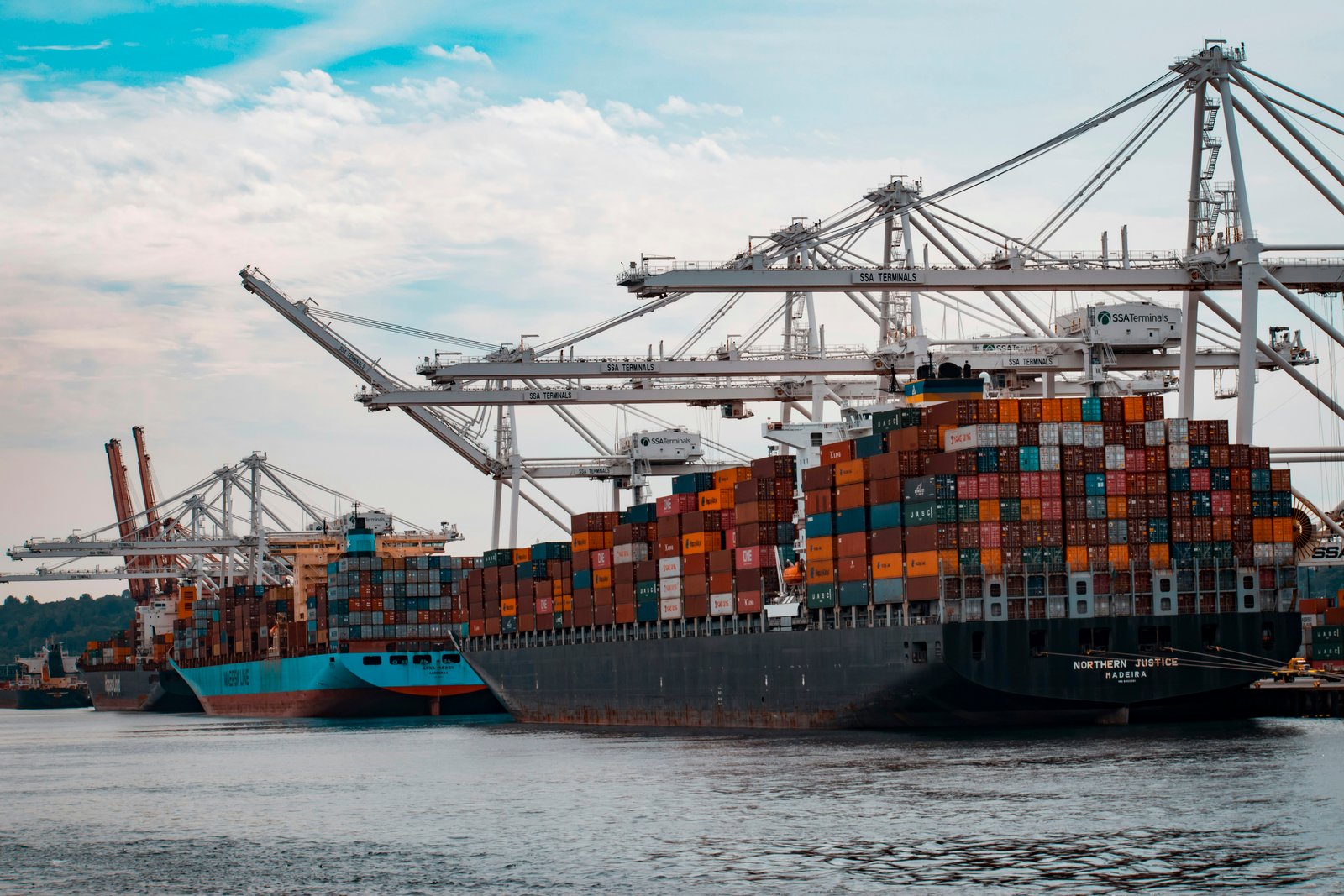
A port is a bottleneck. It is the narrow point where the ocean meets the land. Efficiency here determines the profitability of the entire supply chain. If cranes are slow or customs are backed up, ships sit idle, burning fuel and money. In the financial ecosystem, your Liquidity is the cargo, and the platform is the port.
We have established the rules of Fair Play and charted our course with Asset Navigation. Now, we focus on operations. Port Liquidity Strategy is the art of moving capital in and out of positions with zero friction. This guide analyzes how to optimize your financial throughput and avoid the costly delays of “Demurrage.”
1. Throughput Metrics: Deposit and Withdrawal Speed
In port logistics, “Throughput” is measured in TEUs (containers) per hour. In finance, it is measured in Transaction Speed.
The Cost of Latency:
Imagine spotting a massive arbitrage opportunity or a favorable trend. You try to deposit funds, but the “Port” (exchange/site) takes 24 hours to clear the transfer. By the time your capital arrives, the opportunity has sailed.
Optimization Protocol:
Prioritize platforms that offer instant settlement rails (e.g., Lightning Network for Crypto, Instant SEPA, or Fast Payments). Avoid platforms with manual approval bottlenecks. Your capital must be as liquid as water, flowing instantly to where it is needed most.
2. Demurrage and Detention: The Fees of Stagnation
“Demurrage” is the fee charged when a container sits in the port too long. “Detention” is the fee for keeping the container outside the port. Both are penalties for inefficiency.
In investing, this is Opportunity Cost and Negative Yield.
- Idle Cash (Demurrage): Capital sitting in a zero-interest account is being eroded by inflation. It is paying a daily fee for doing nothing.
- Locked Staking (Detention): Locking your assets for 30 days to earn 5% APY might seem smart, but if the asset price drops 20%, you are paying a heavy detention fee because you cannot exit.
According to the World Bank, port efficiency is a key driver of trade competitiveness. Similarly, keeping your capital mobile ensures you can always deploy it to the highest-yield environment.
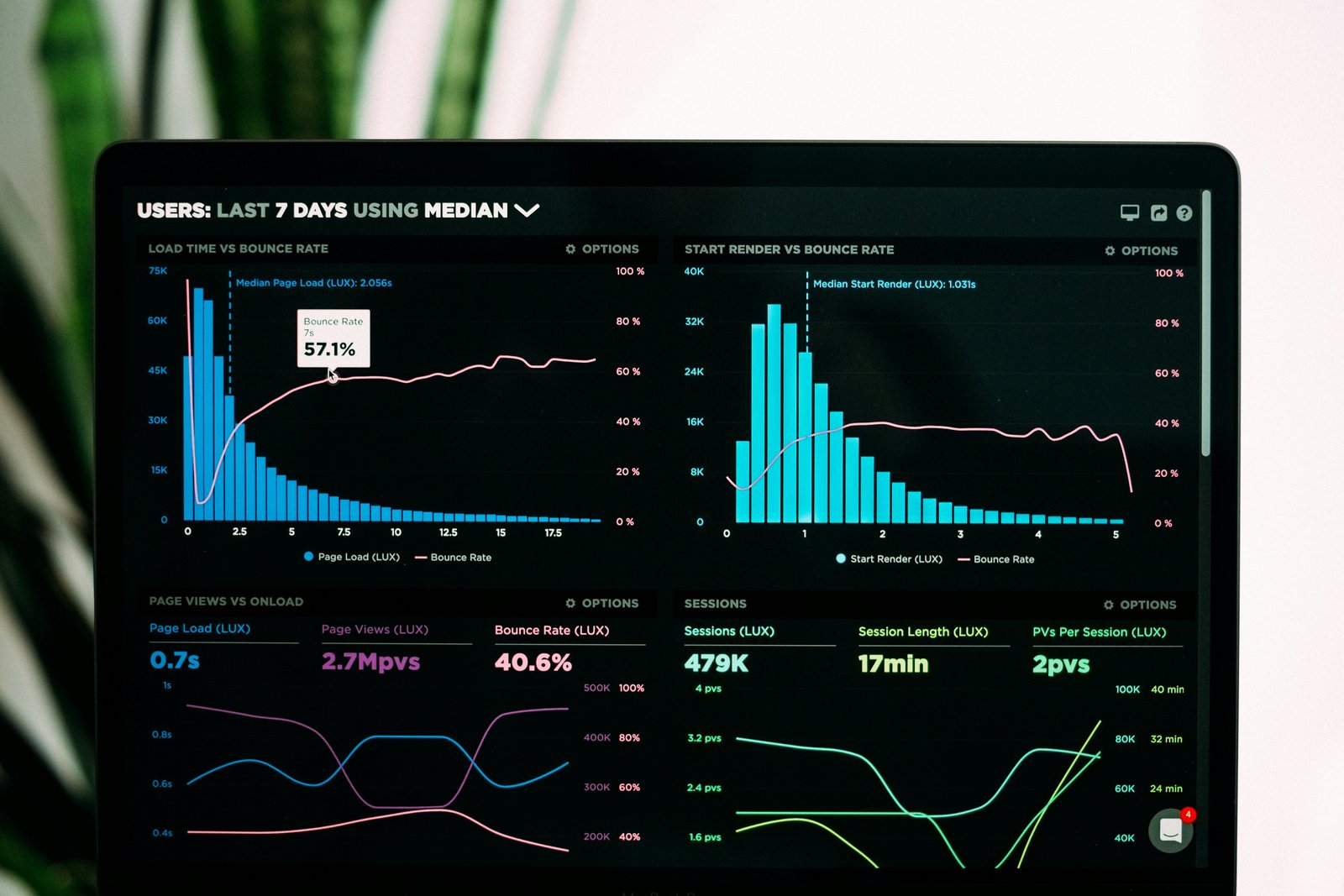
Seamless data and capital flow reduces operational friction.
3. The Crane Operator: Execution Skill
A skilled crane operator can load a ship twice as fast as a novice. The equipment is the same; the operator makes the difference.
In strategy, this is Execution Quality.
Do you use Limit Orders to save fees, or do you lazily Market Buy and pay the spread? Do you withdraw profits systematically, or do you let them pile up until you gamble them away?
Precision Execution:
Treat every interaction with the platform as a professional operation. Double-check addresses. Use whitelist protocols. Execute trades with the precision of a gantry crane operator placing a 40-ton box within an inch of its target.
4. Dredging the Channel: Removing Barriers
Ports must constantly dredge their channels to allow larger ships to enter. If the channel is too shallow, the big opportunities (Supermax vessels) cannot dock.
In your financial life, “Dredging” is Verification (KYC) Pre-emptive Strikes.
Nothing kills liquidity faster than a surprise KYC check when you try to withdraw. “Channel Blocked.” To dredge your channel:
- Verify Early: Submit all documents immediately upon sign-up, not when you want to cash out.
- Raise Limits: Request higher withdrawal limits before you hit a big win. Ensure your channel is deep enough for a massive inflow of capital.
5. Intermodal Transport: Cross-Chain Agility
Efficient logistics requires seamless transfer between ship, truck, and train. This is Intermodal Transport.
In the digital age, this is Cross-Chain Interoperability.
Can you move value from Bitcoin to USDT to Fiat instantly? Or are you stuck in a silo? The modern strategist must be comfortable using bridges, swaps, and multiple fiat off-ramps. If one rail goes down (e.g., a banking partner fails), you must have an alternative intermodal route ready to move your cargo to safety.
Conclusion: The Flow of Wealth
Wealth is not a static pile of gold; it is a dynamic flow of value. Just as a port creates value by facilitating movement, your strategy creates wealth by facilitating the efficient allocation of capital.
At JPD Strategy, we optimize the flow. Keep your channels deep, your cranes greased, and your cargo moving.
Disclaimer: The content provided on JPD Strategy is for educational purposes only. Financial markets involve risk.